
A place for peace and contemplation
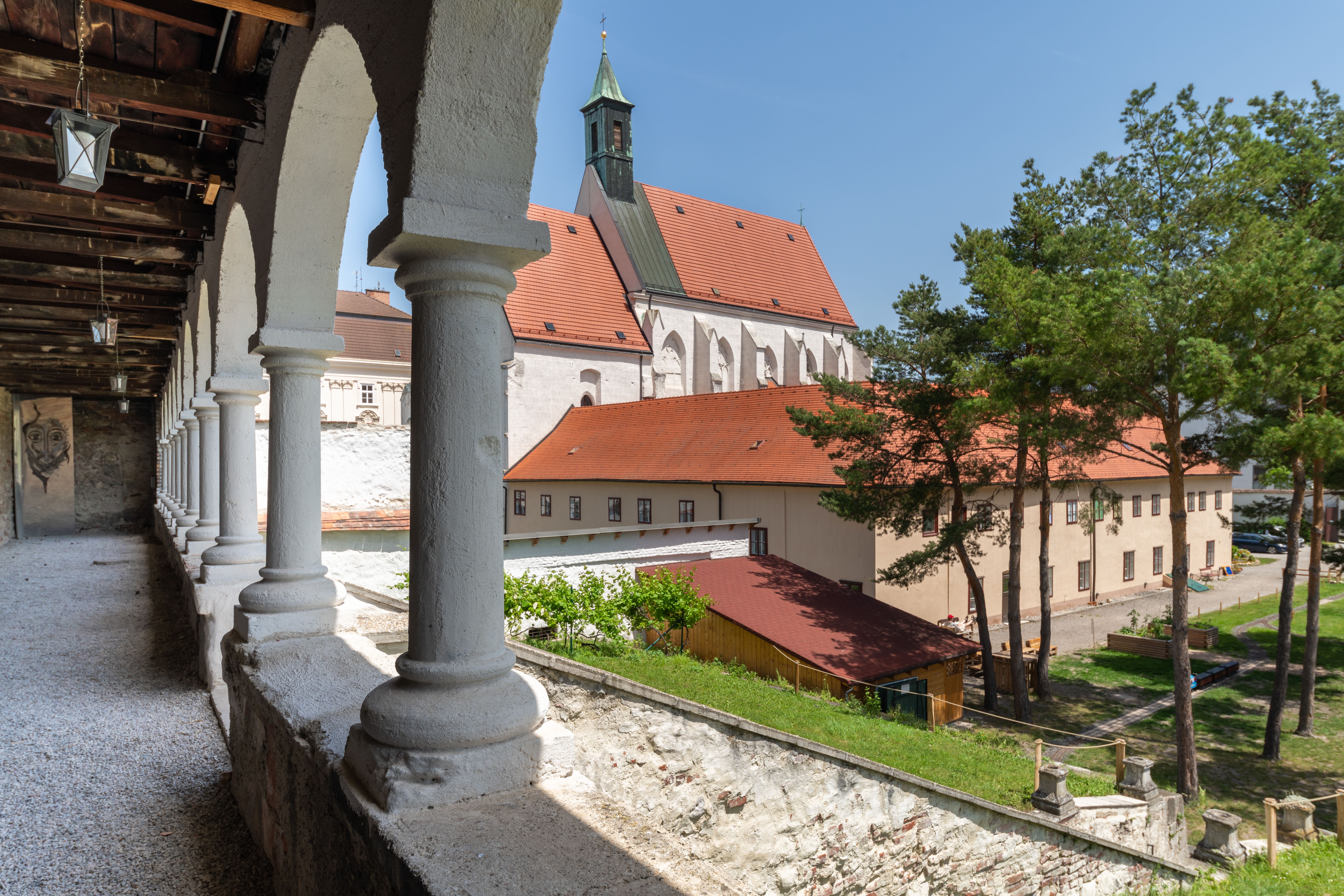
The Capuchin monastery in Wiener Neustadt looks back on 800 years of Franciscan tradition and 400 years of Capuchin life. The monastery in Wiener Neustadt was built in the mid-13th century as a Minoritenkloster, just a few years after the death of the order's founder, Francis of Assisi (1228). The first reliable documentary mention of the house dates from 1267. The foundation stone for the conversion to a Capuchin monastery was laid in 1623. Since then, Capuchins have lived and worked in Wiener Neustadt. The only interruption occurred during the Nazi era (1941-1945), when the monastery, like many other Capuchin monasteries, was confiscated. After the end of the war, the building was returned to the order and restored.
The Capuchins opened their beautiful monastery garden to visitors for the first time as part of the Lower Austria Provincial Exhibition in 2019.
The monastery library and attic are shown as part of a guided tour. These "hidden places" regularly elicit gasps of amazement from visitors.
The Madonna, which was consecrated in September 2019, is brand new and now watches over the Capuchin monastery once again as a replica.
The original of this early Gothic stone sculpture dates back to the 14th century. Until the early 1930s, it was located in the Capuchin Church in Wiener Neustadt, but in 1936 it had to be sold to finance restoration work. Today, the original is on display at the Belvedere in Vienna.
In view of the Lower Austria Provincial Exhibition 2019, the suggestion was taken up to enable the "return" of the statue of Mary by producing a faithful copy for the Capuchin Church. The costs for the production of the statue were covered by the province of Lower Austria, and the statue was given on loan to the Capuchins of Wiener Neustadt.