

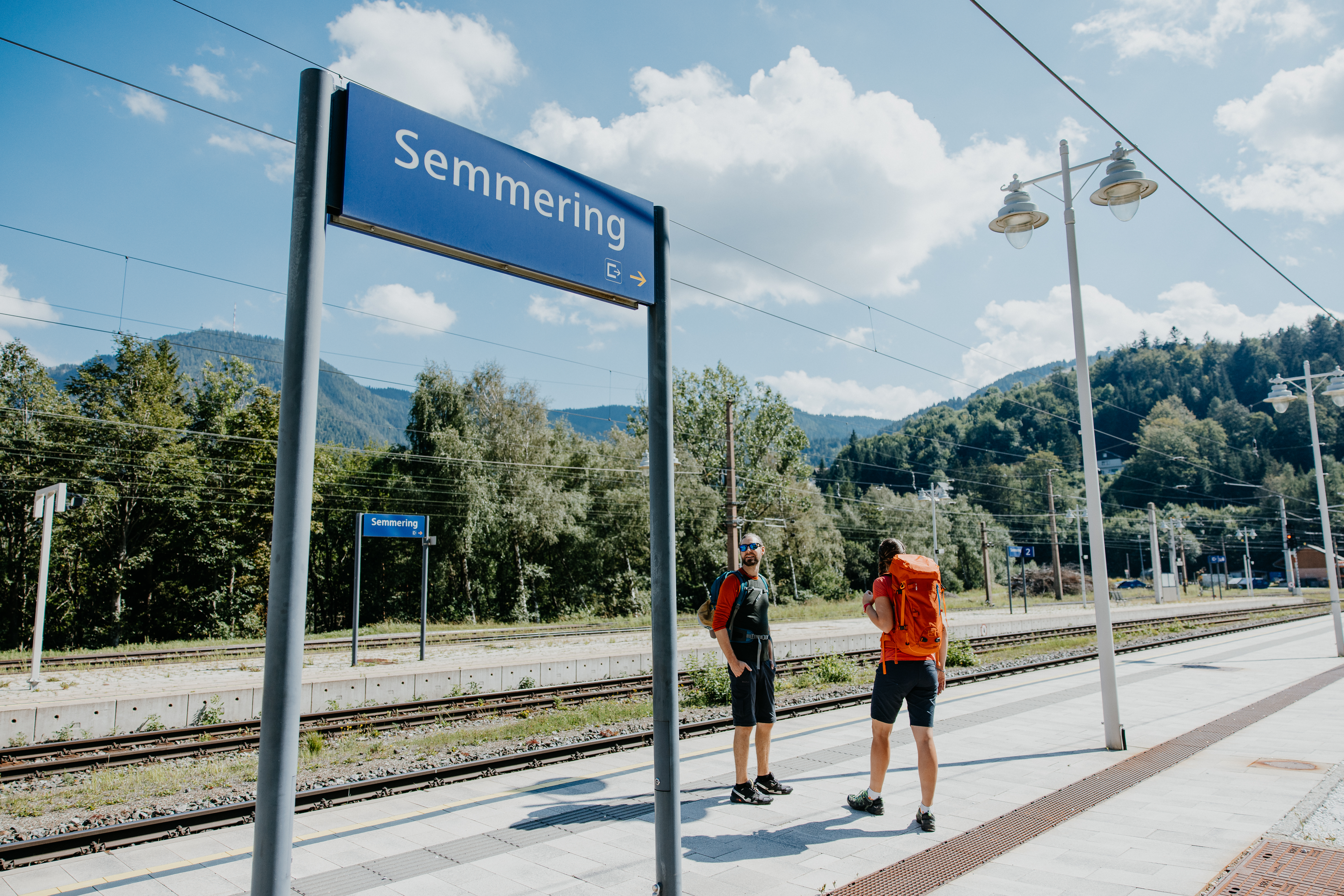
Tipp 1: von Horst Schröttner
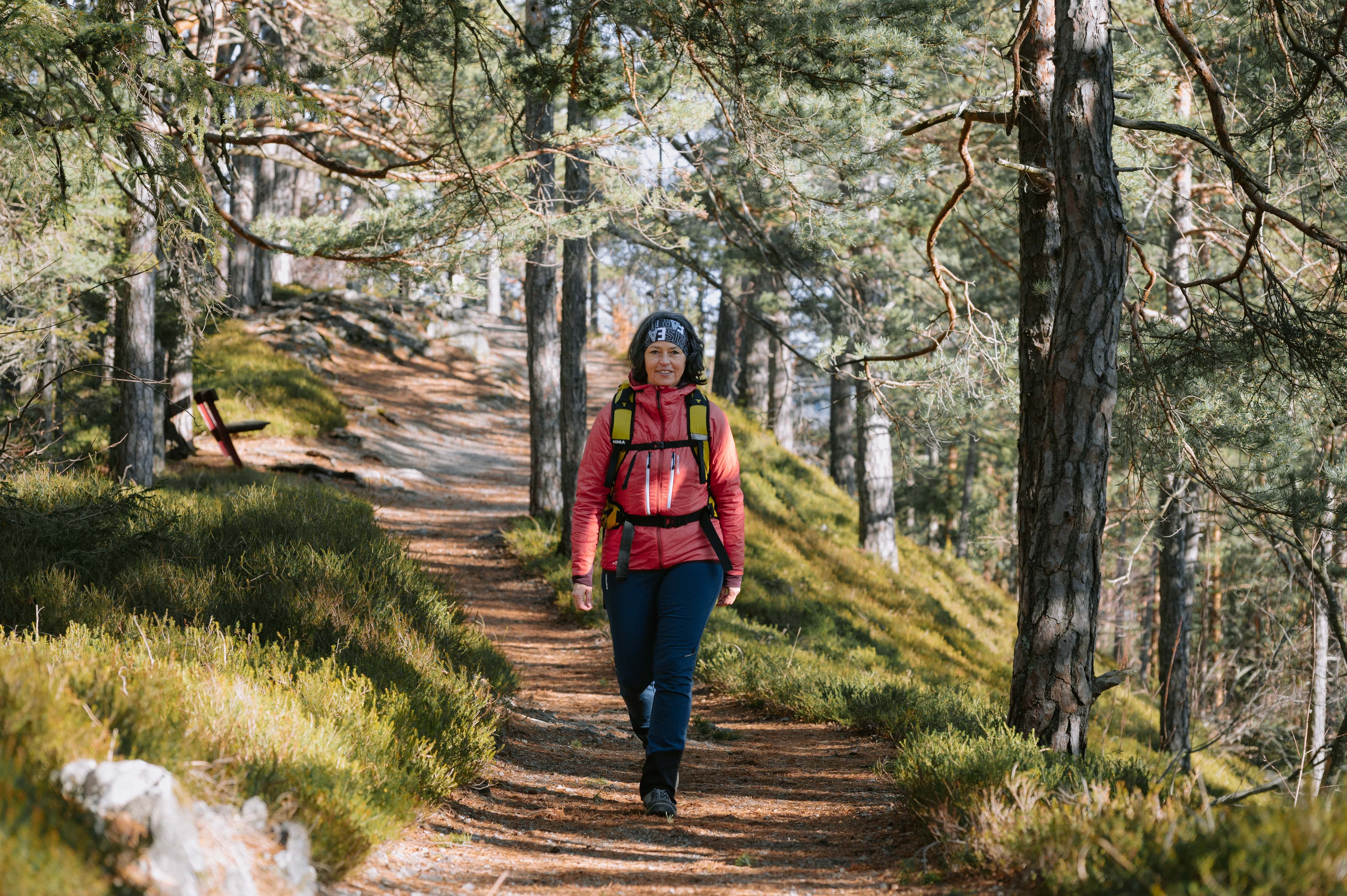
Den Besuch im Welterbeinformationszentrum (gleich bei der Bahnstation) mit einer Fahrt im Regionalexpress und einer Wanderung am Bahnwanderweg kombinieren.

Praktische Tipps für ein sicheres Naturerlebnis
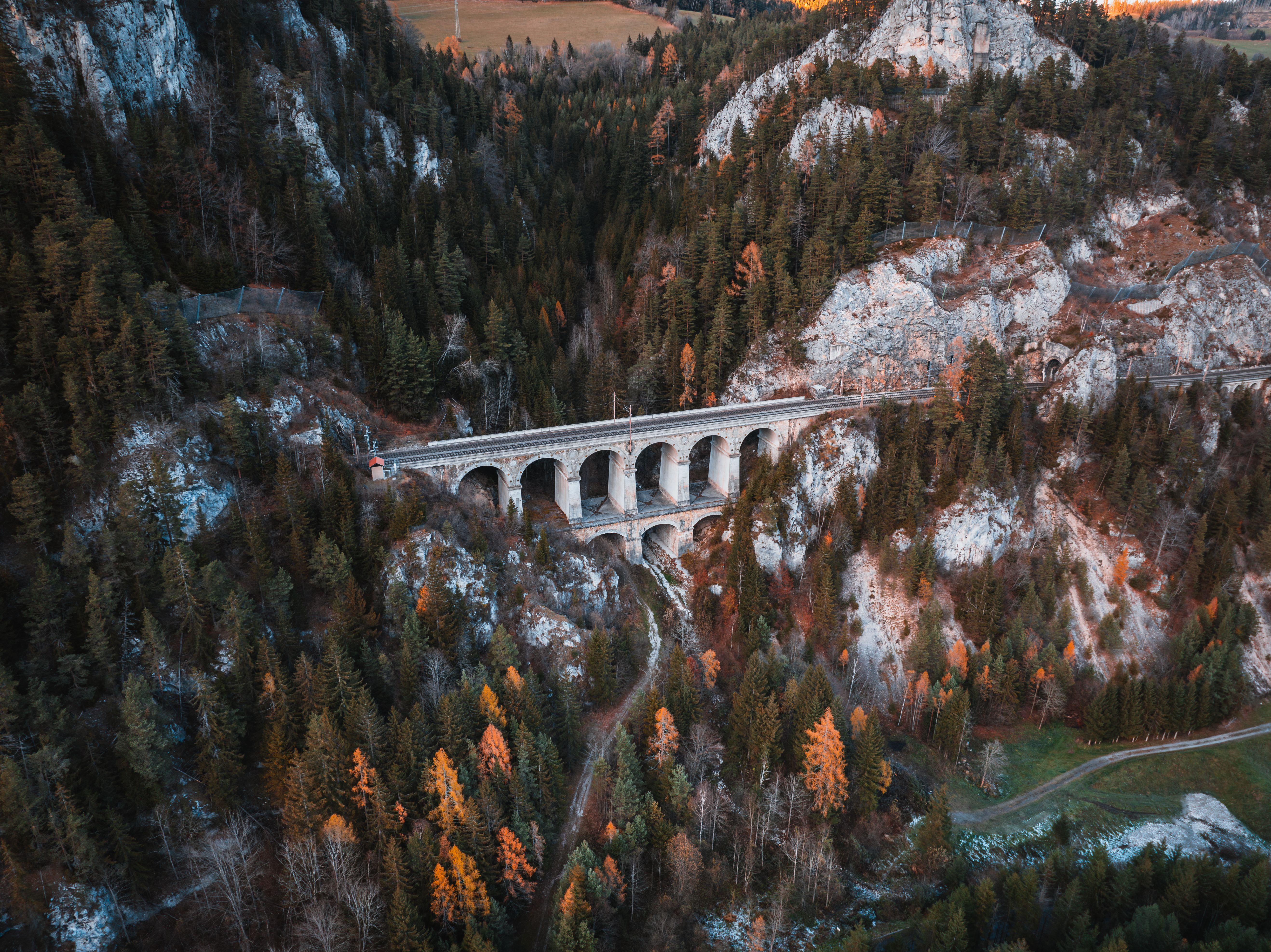
The construction of the Semmering Railway heralded the modern era during the German Empire and transformed the region into a tourist hotspot. To this day, this architectural masterpiece continues to impress visitors from all over the world. Behind it, however, lies the inspiring story of a man who believed in his vision against all odds.
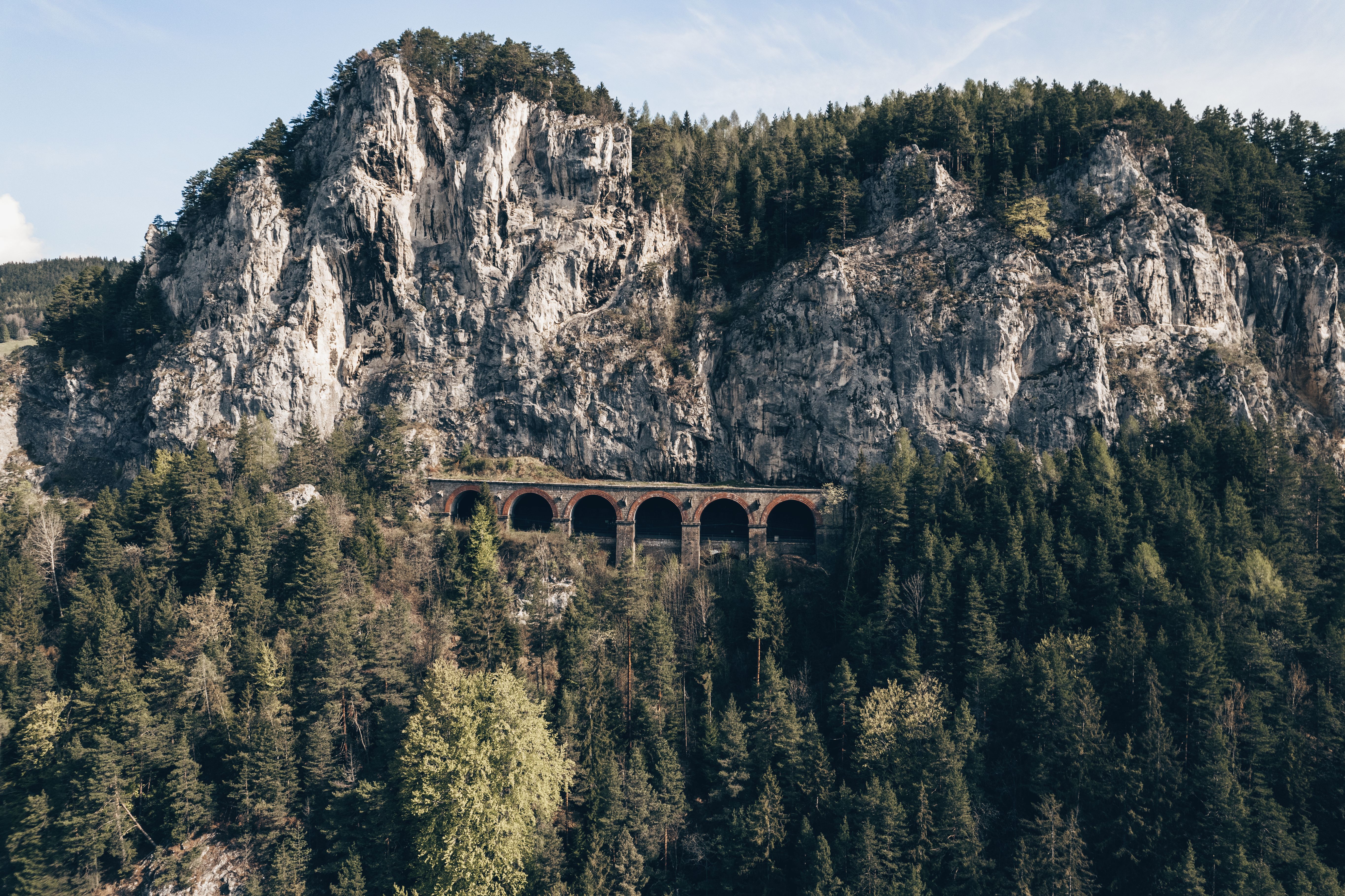
Whenever I show a group of tourists the Kalte Rinne, they’re left speechless. That’s exactly how the onlookers looked back in the mid-19th century, when they travelled all the way from Vienna just to watch the railway being built.
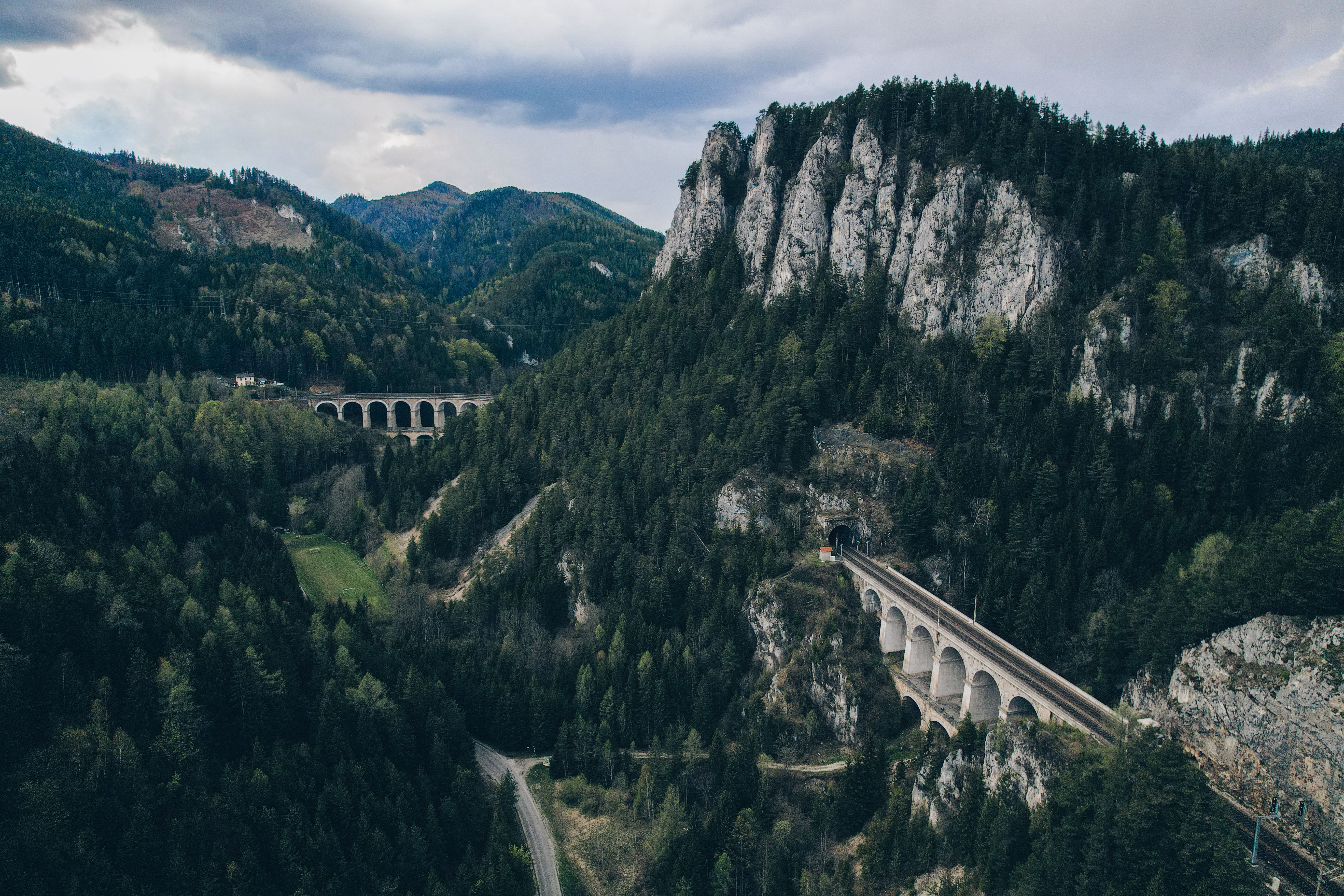
The Semmering Railway, designated a UNESCO World Heritage Site in 1998, is not only a significant cultural treasure; it remains an essential transport route to this day.
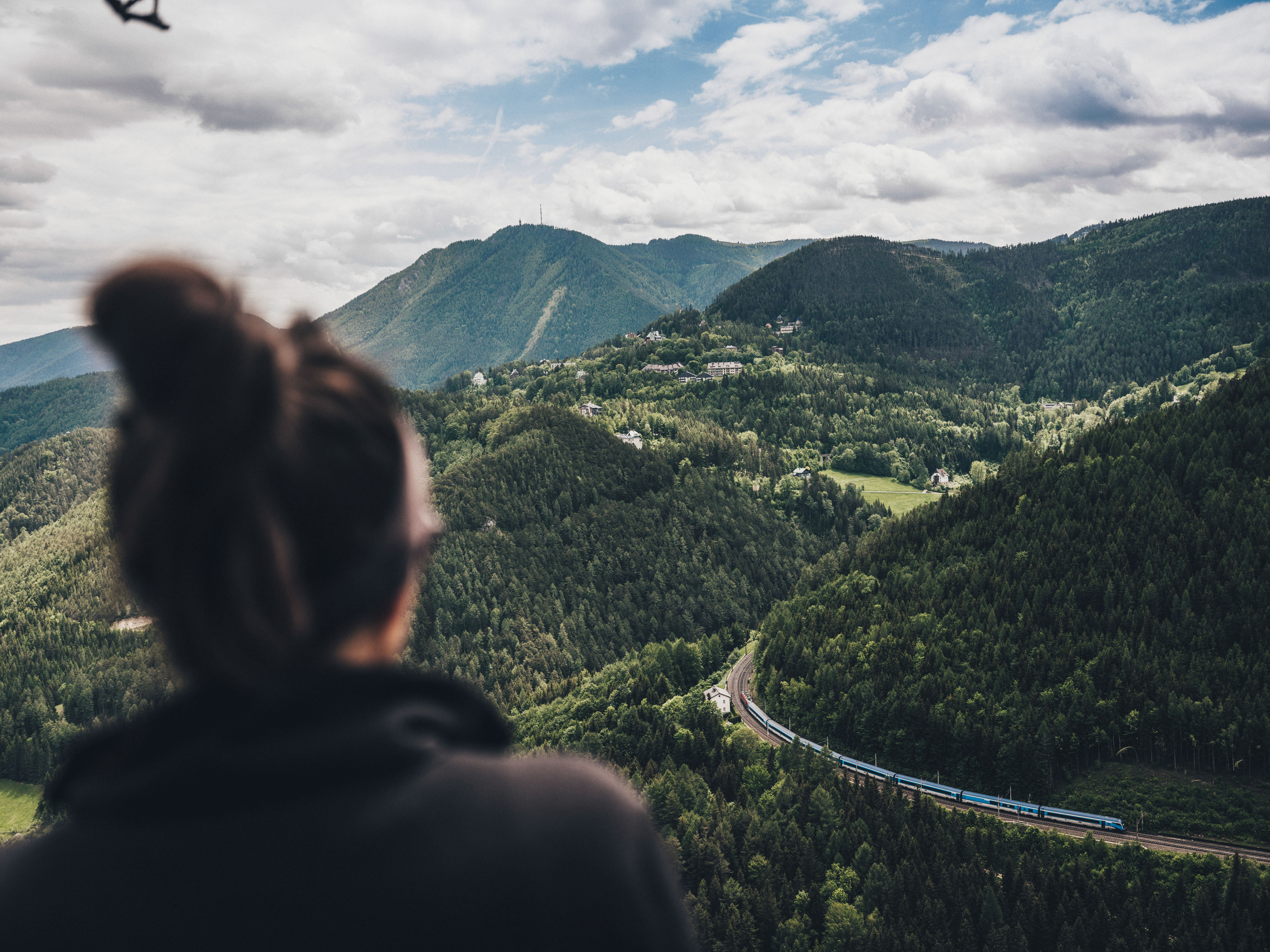
Some tourists expect to find a heritage railway, yet up to 200 trains still use the historic line every day.
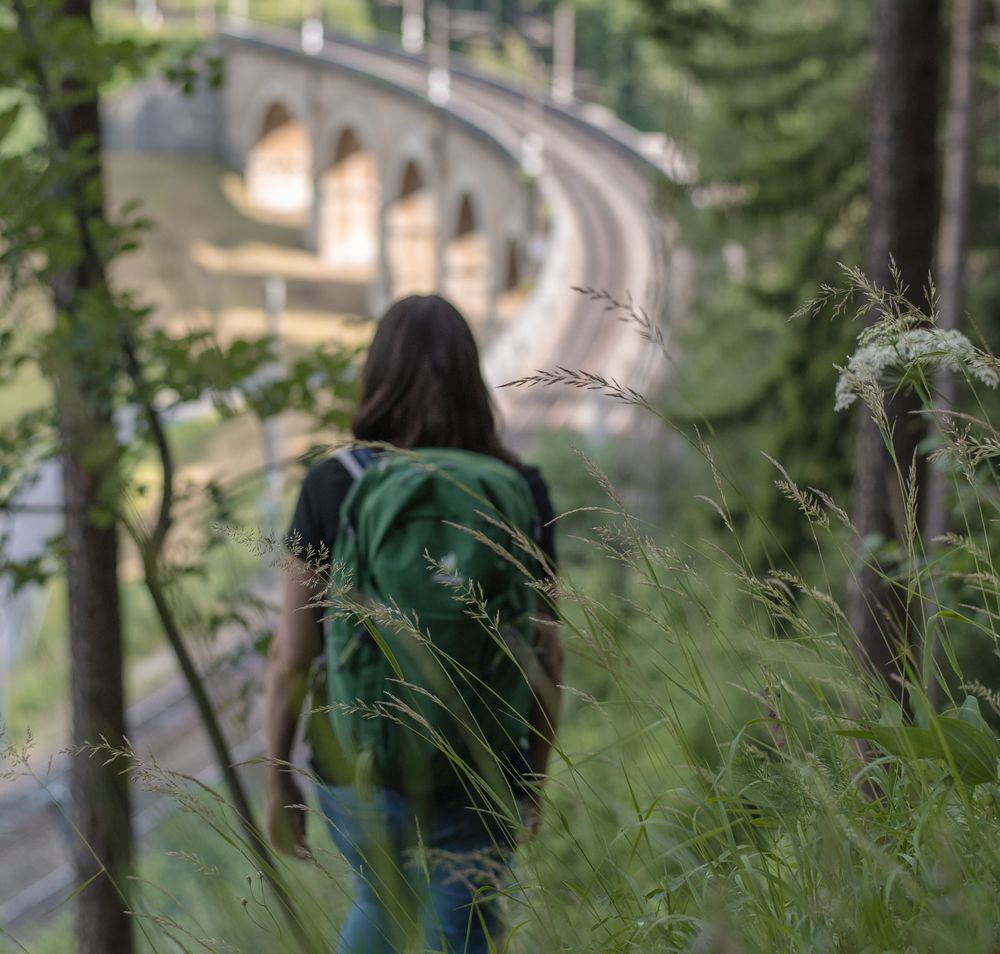
Den Besuch im Welterbeinformationszentrum (gleich bei der Bahnstation) mit einer Fahrt im Regionalexpress und einer Wanderung am Bahnwanderweg kombinieren.
“Carl von Ghega was already a professor of mathematics at the age of 18 – a born genius. But when he announced his intention to build a railway over the Semmering to link Vienna with Trieste, everyone declared him mad,” says Horst Schröttner. The former mayor of Semmering and chairman of the Friends of the Semmering Railway Association can tell many stories about the significance of the Semmering Railway, a UNESCO World Heritage Site. But the story of the Austrian engineer Carl Ritter von Ghega (1802–1860) is the most inspiring. “When Ghega returned from his study trip to the USA in 1844, he had indeed drawn up all the construction plans,” says Schröttner, “but there was a problem: the public, and above all the architectural and engineering community, were up in arms against his ideas and considered them unfeasible.”
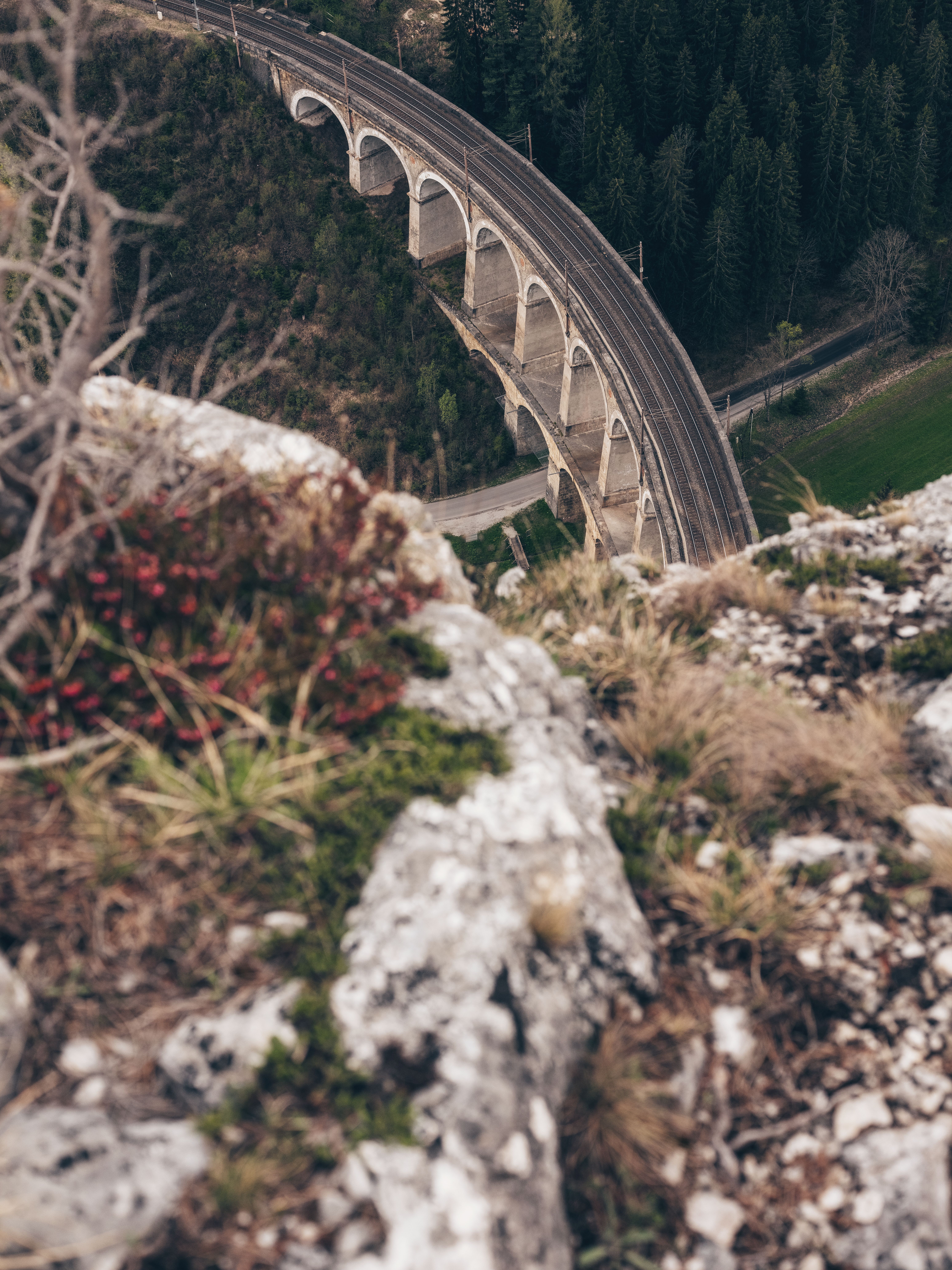
Ghega was not deterred: he limited the maximum gradient to 28 per mille, connected opposing slopes with bridges and viaducts, and doubled the distance as the crow flies along his winding route, which followed the natural landscape. Within just six years, 20,000 workers built Europe’s first high-altitude mountain railway using technical means that would be considered primitive by today’s standards (dynamite was not invented until twelve years later!). The cost amounted to around 24.6 million guilders. That would be approximately 268 million euros today.
Although he had already been knighted prior to this, Ghega was not to live to see his ultimate triumph: after his death, his once most bitter opponents erected a memorial stone on which, in a contrite tone, they admitted their error and paid tribute to Ghega. It stands today in front of the Ghega Museum in Breitenstein.